





The Growing Demand for Custom Cable Assemblies in Electric Vehicles and Energy Storage Systems
As electric vehicles, renewable energy installations, and battery energy storage systems continue to develop, reliable electrical connectivity has become increasingly important for modern equipment. Manufacturers need interconnection solutions that can support demanding operating conditions, simplify system integration, and maintain consistent performance throughout the product lifecycle.
For equipment manufacturers and OEM buyers, selecting the right cable assembly supplier is an important part of product development and supply chain management.
Why Connectivity Is Becoming More Important
Electric vehicles and energy storage systems contain multiple electrical and electronic components that must communicate and operate reliably. Battery management systems, charging interfaces, sensors, control units, and power distribution components all depend on suitable electrical connections.
In these applications, cable assemblies must be designed according to their intended function. Factors such as current requirements, voltage ratings, operating temperature, mechanical stress, electromagnetic interference, and environmental exposure can influence material selection and assembly design.
As equipment becomes more integrated, manufacturers increasingly need connection solutions tailored to specific installation spaces and technical requirements rather than relying exclusively on standard off-the-shelf cables.
Key Considerations When Selecting EV Cable Assemblies
Choosing an appropriate cable assembly requires a clear understanding of the application.
1. Electrical requirements
Engineers should define operating voltage, current capacity, insulation requirements, connector compatibility, and applicable safety standards before selecting cable specifications.
2. Environmental durability
Vehicle and energy storage applications may involve temperature fluctuations, vibration, moisture, dust, and chemical exposure. Cable jackets, insulation materials, connector seals, and strain relief structures should be selected according to actual operating conditions.
3. Mechanical design
Routing space, minimum bend radius, connector orientation, cable length, and mounting requirements all affect installation and long-term reliability. Early design reviews can help identify interference and assembly difficulties before production begins.
4. Quality verification
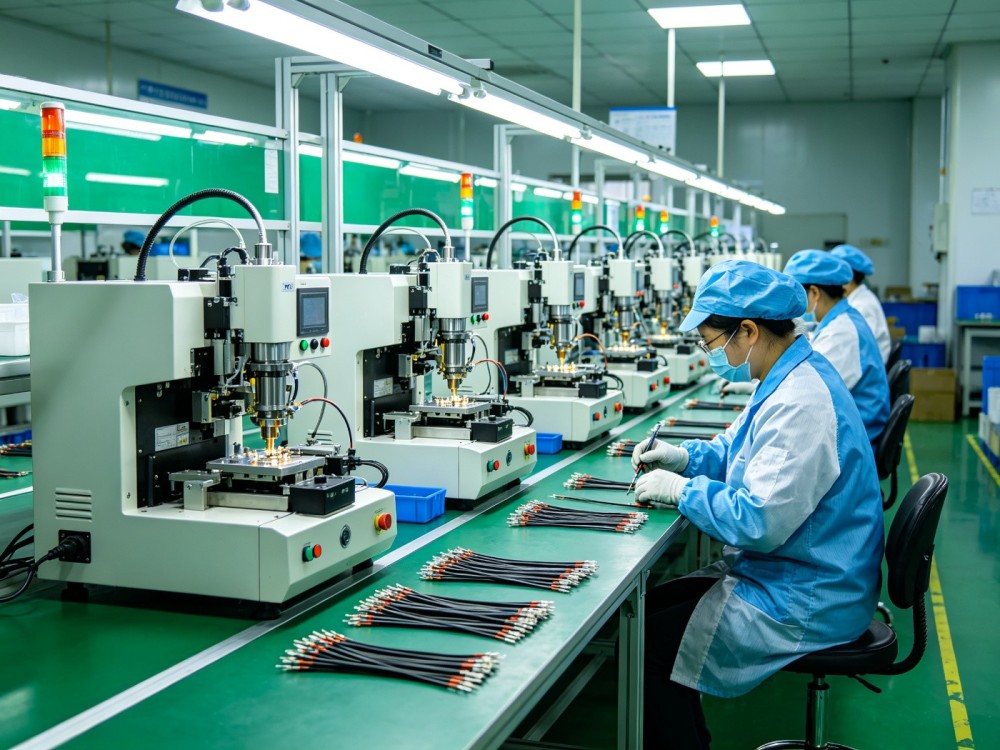
Electrical continuity, insulation resistance, connector retention, and other application-specific tests can help identify manufacturing defects. Additional environmental or mechanical tests may be required depending on the intended use.
The Role of Custom Manufacturing
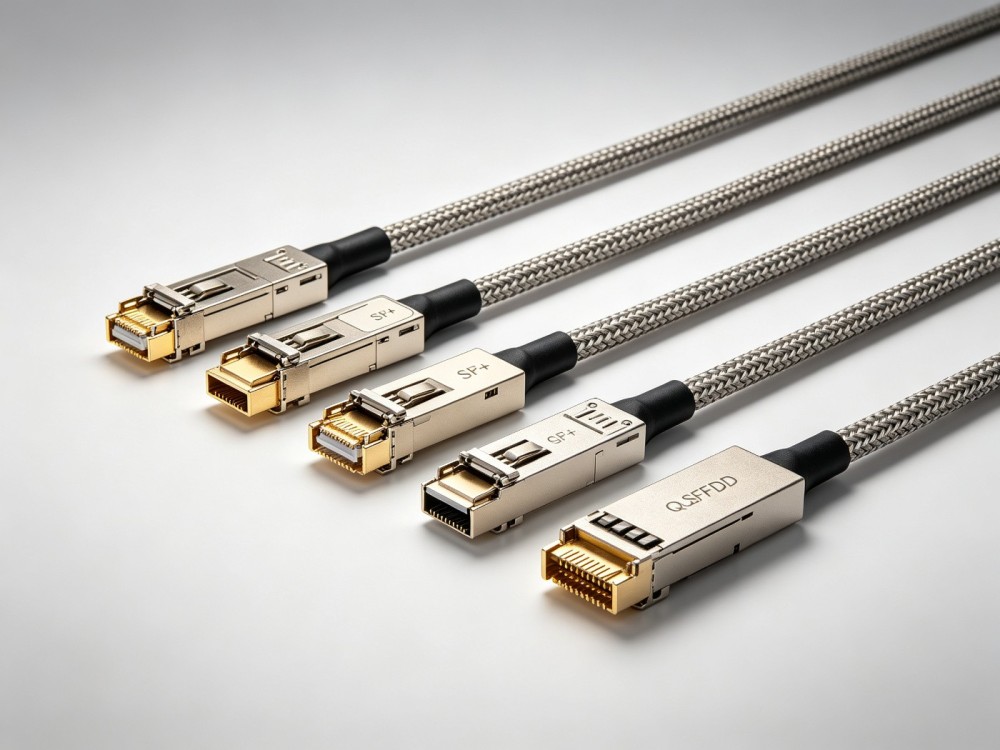
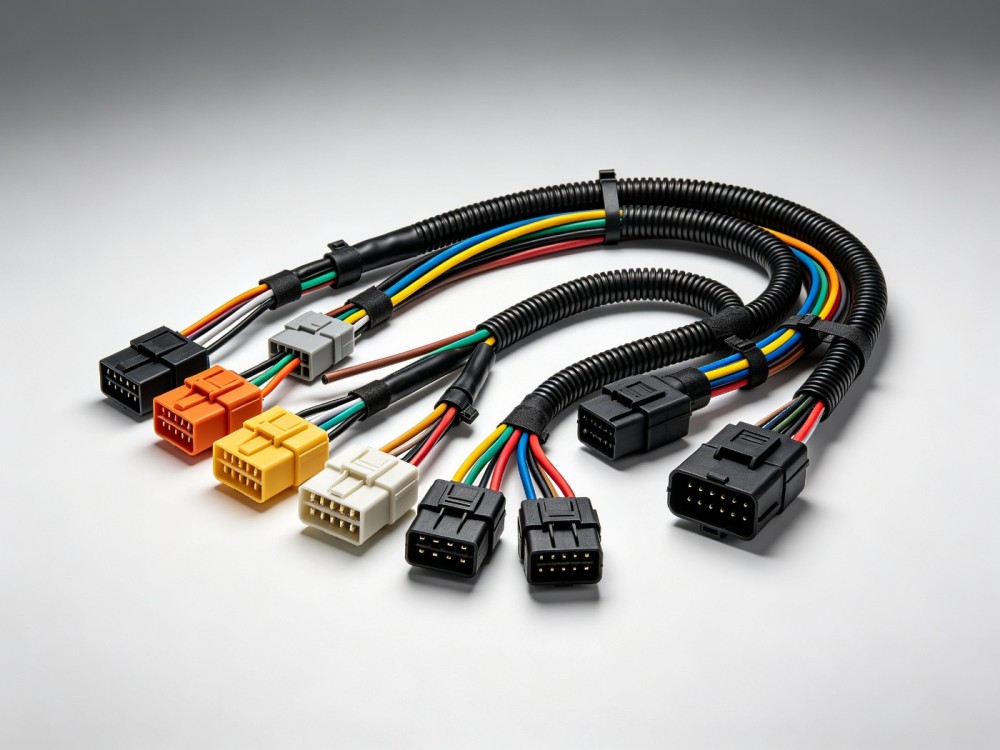
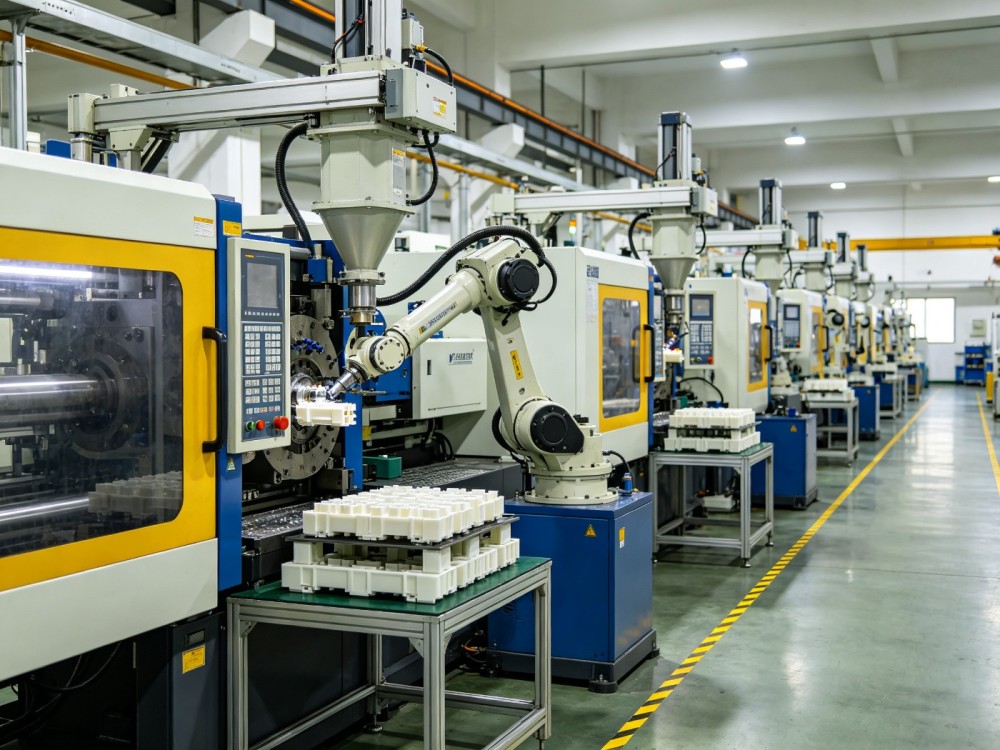
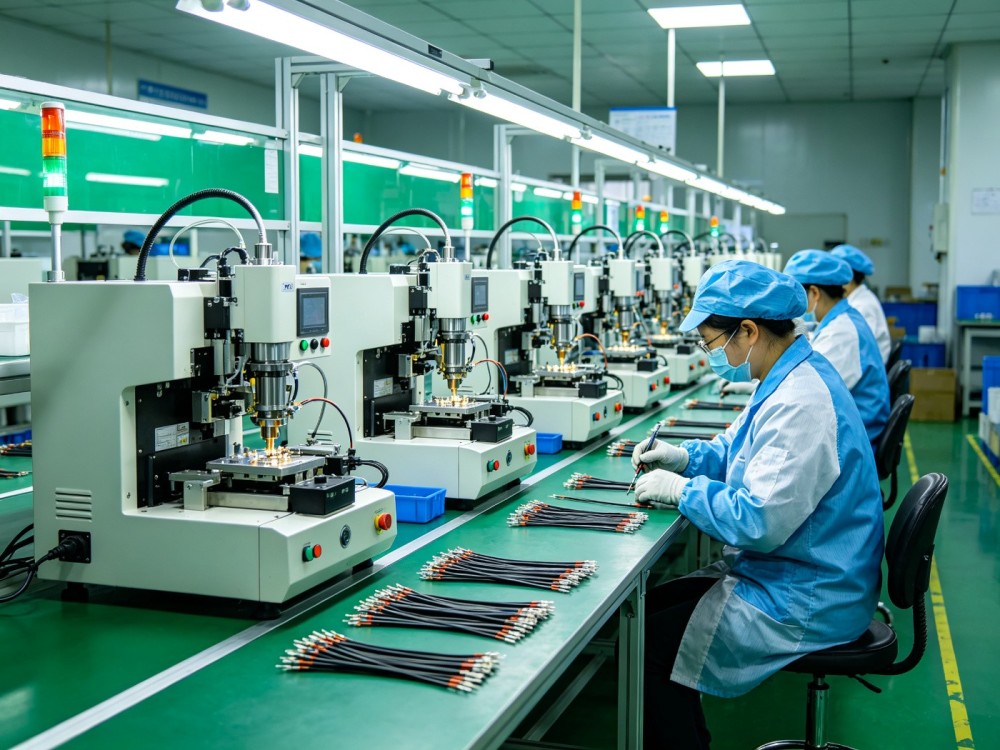
Custom cable manufacturing allows OEMs to specify cable lengths, wire configurations, connectors, shielding, overmolding, and other design details according to their equipment requirements.
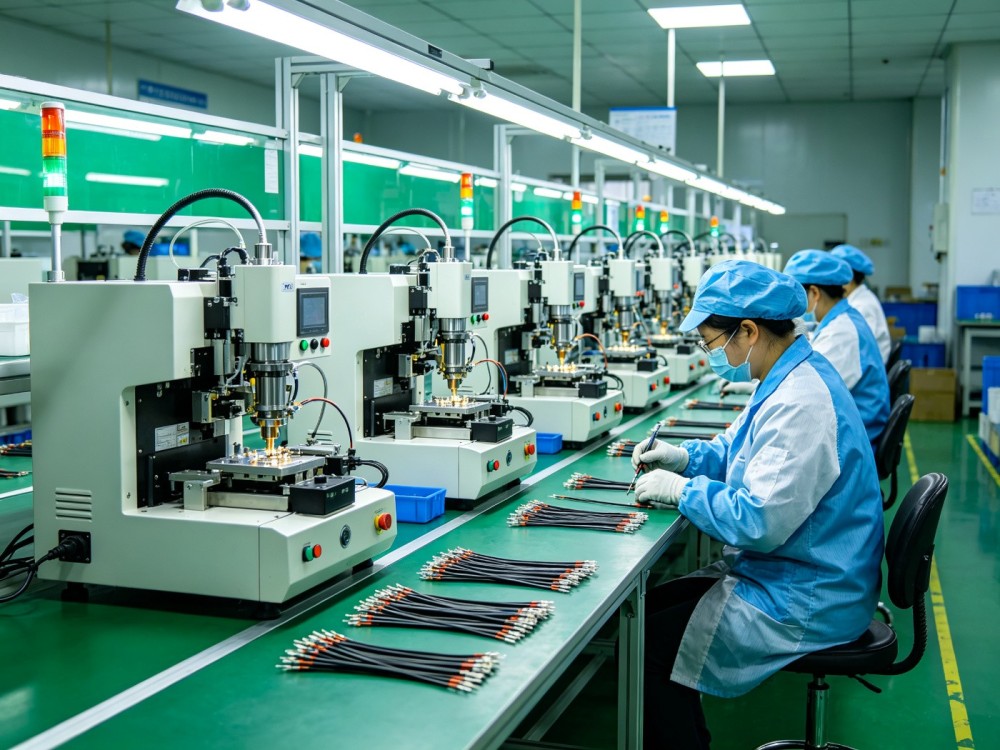
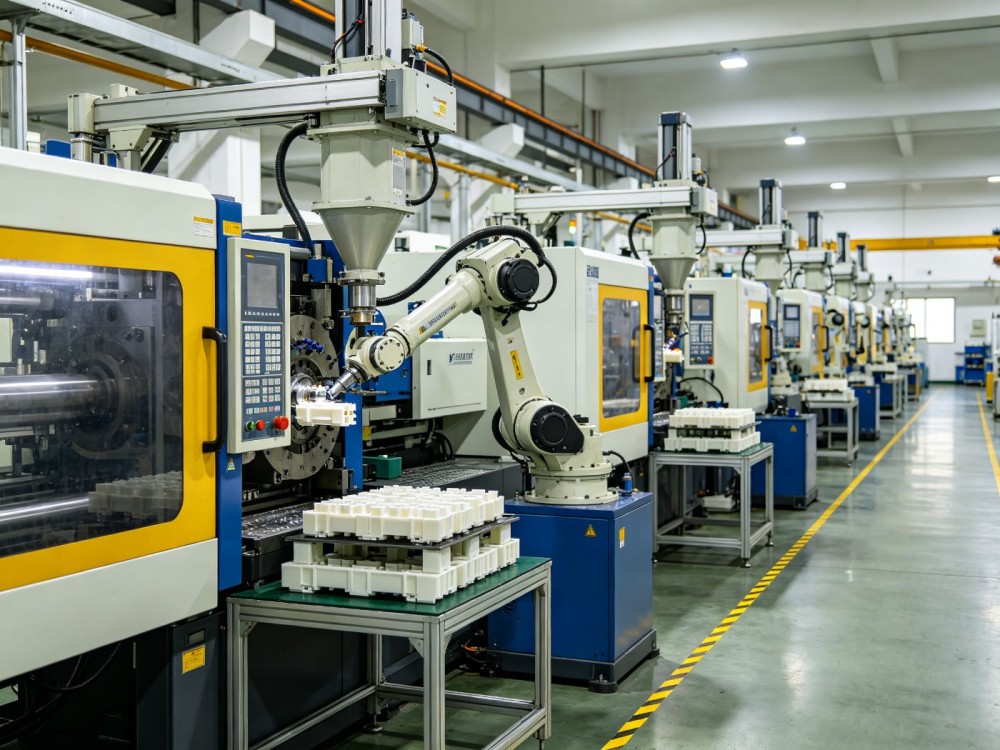
Working with a manufacturer early in the design process can also improve design for manufacturability (DFM), reduce unnecessary assembly complexity, and establish a more consistent transition from prototype development to mass production.
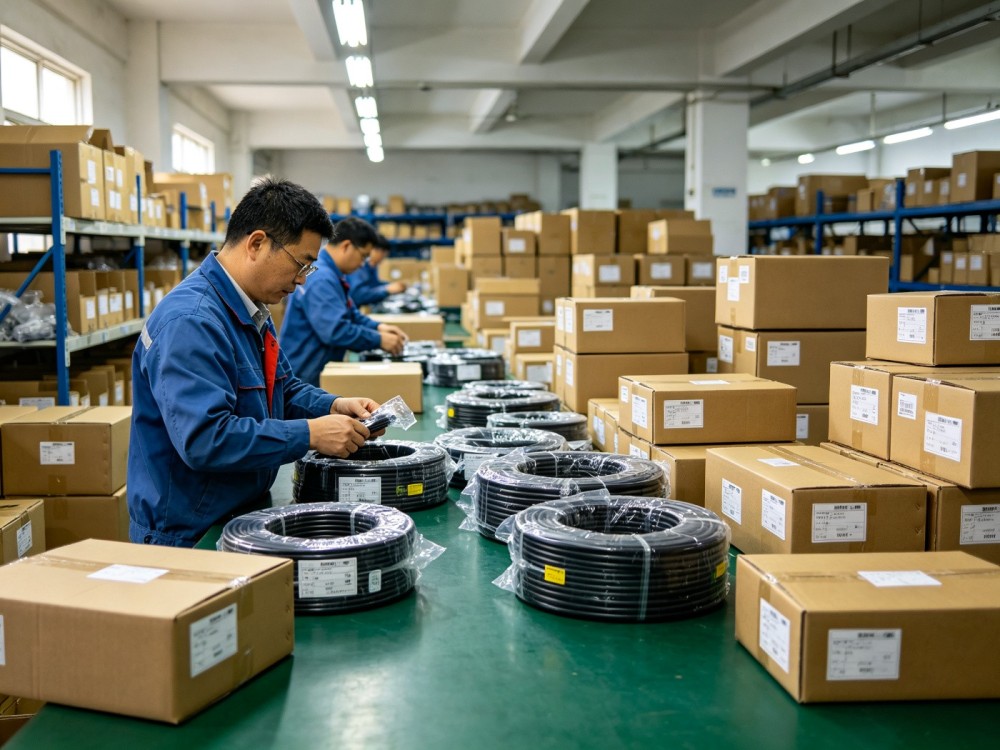
For international buyers, supplier evaluation should include manufacturing capability, quality management, traceability, communication efficiency, and the ability to maintain consistent specifications across production batches.
Looking Ahead
The continued development of electric mobility and energy storage is increasing the importance of dependable connectivity solutions. Rather than focusing solely on unit price, manufacturers should evaluate cable assemblies in the context of electrical performance, environmental conditions, manufacturing consistency, and total project requirements.
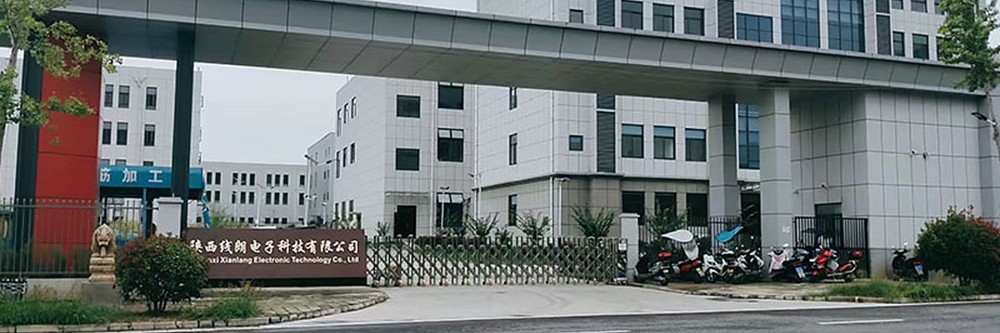
SAOJIE TECHNOLOGY provides customized cable assembly and wire harness manufacturing for automotive, industrial, telecommunications, and other applications. By reviewing drawings, samples, and technical specifications, the engineering team can help customers assess suitable manufacturing solutions for their projects.
Need a custom connectivity solution? Contact SAOJIE TECHNOLOGY to discuss your cable assembly requirements.